
Visual Knowledge Translation Projects
Today a client asked me, “what’s the best knowledge translation project you’ve ever worked on?” And without a beat, I knew: “the kind where people who are affected by the research, are involved from the beginning.”

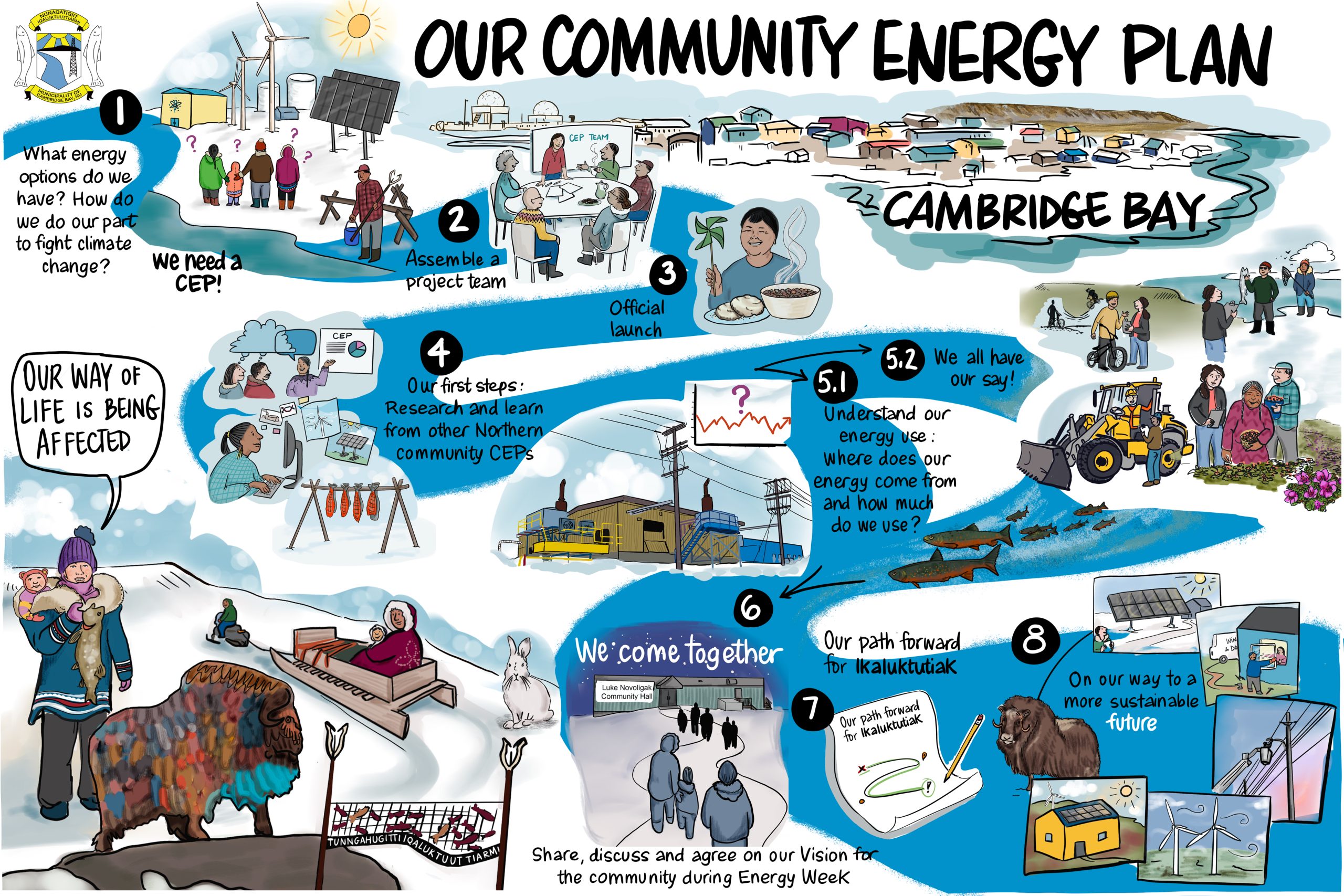
Here are some recommendations and samples of knowledge translation projects to inspire your next research project. It’s never one size fits all, but just some visual ideas to get you started, including infographics, illustrated reports, illustrated research posters, illustrated curriculum, a youth-led flipbook, and graphic recording.
If you have ….
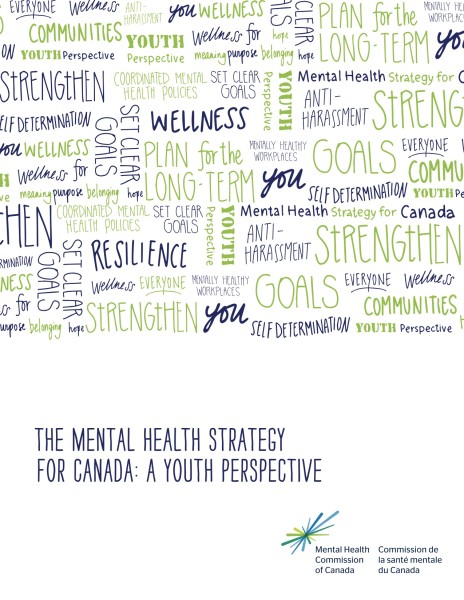
- A long report you’re worried not all audiences may not read –> create a version for the community, like this illustrated report (eg a youth friendly version)
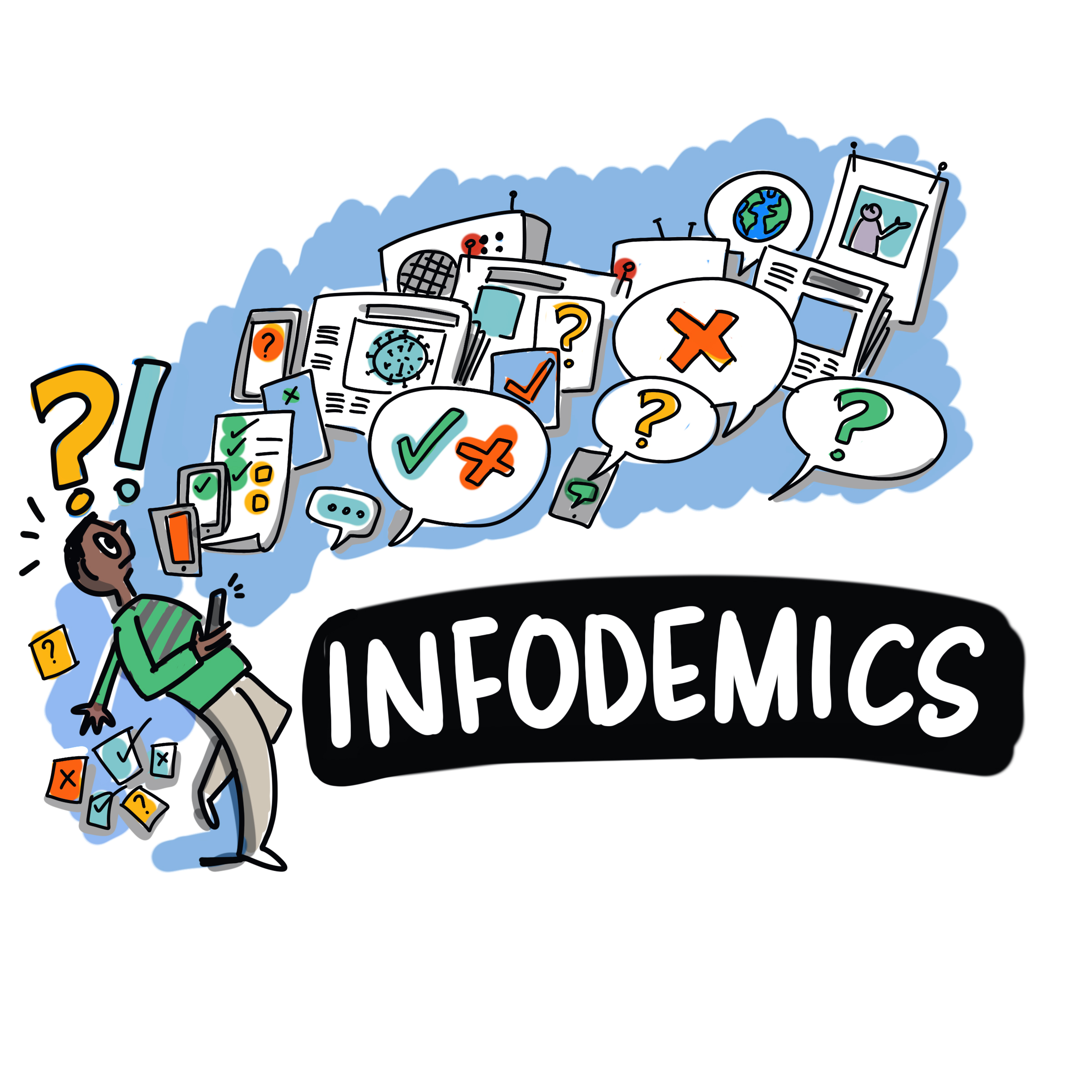
- Curriculum to illustrate key science information and engage new audiences (especially during a pandemic)
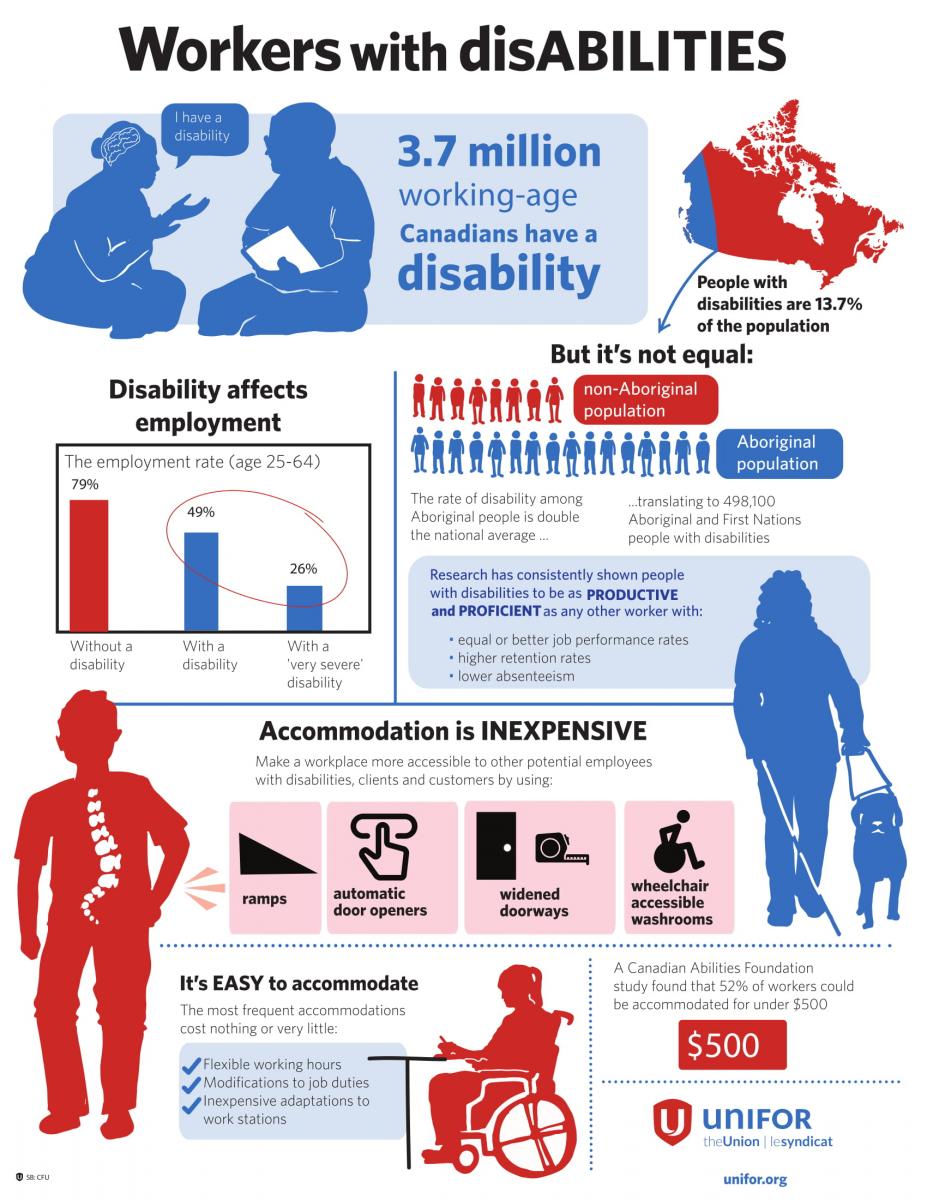
- Data-rich information —> create infographics with a mix of qualitative and quantitative information
- Many findings to explain —> illustrate the key findings and have an executive summary
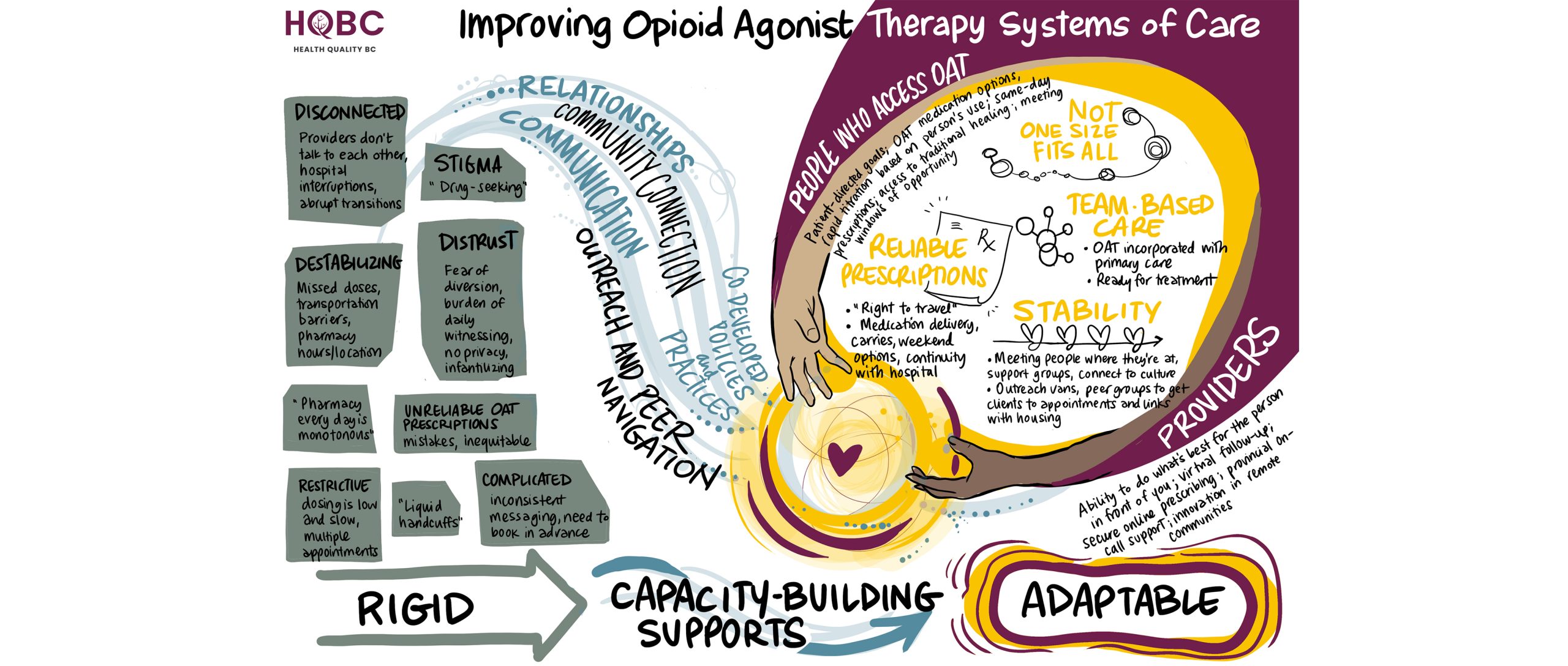
- A complex issue that is hard to explain —> draw a systems diagram that shows the context

If you need ….
- To engage community in the process —> include graphic recording at the sessions so people feel heard (and yes we can work 100% online!)

- To present the research back to community –> create a hand-drawn poster, and incorporate community’s edits and feedback
There are lots of barriers to accessing good research. For example, research can be expensively paywalled, buried in giant reports, not published online, written with jargon, and the knowledge being asked for from communities can be taken/extracted in non-reciprocal ways.
But we can do better, with knowledge translation and visuals. Good research becomes even more usable when it’s translated for wider use. We want people to use the research findings! “Knowledge Translation” (KT) means that research doesn’t just benefit researchers, but connects back to community for their use, and for application. It can be done at the end of the project or throughout the project with Integrated Knowledge Translation (iTK). For example, I’m looking forward to creating some visual research consent forms for an upcoming project. Visuals for both the process and the end result!
_ _ _ _ _ _ _ _
For 10 years, we’ve collaborated with partners around the world to move complex information out of journals, reports and dense documents and into the hands of people who’ll put it to use. Get in touch at hello@drawingchange.com.