Participatory Decision-Making Trainings
Feel even more capable of adapting to ever-changing times
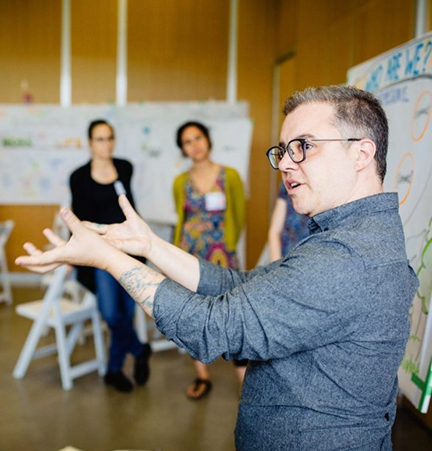
We just wrapped up another empowering facilitation workshop with the BC Teachers’ Federation! 💪 Just like a classroom, anyone Chairing a committee meeting creates the space for a two-way learning environment. Good decision-making and stronger relationships are the foundation. 🧠✨ From co-designing agendas to exploring participatory-decision making tools, everyone left feeling ready to lead change. 🔥
Skills for stronger decisions and better meetings
Mr. Rogers always said, “Look for the helpers,” and there’s no doubt that the people working in public schools are among the most dedicated helpers out there. That’s why supporting members of the BC Teachers’ Federation is one of my absolute favorite things to do. I lead workshops about how to facilitate and Chair even better committee meetings, with a focus on strengthening participatory decision making and building consensus.
A simple shift for agendas: is it for info, discussion, or decision?
A big highlight? Just like a classroom, Committee Co-Chairs create the space for a two-way learning environment. Committee Co-Chairs can apply all of the best practices from their work with young learners to their meetings with peers: chairing is about creating the structures for good decision-making and healthy relationships to happen. Whether it’s within formal structures like Roberts’ Rules/ Bourninot’s Rules of Order, or gathering more informally to get things done – in a highly democratic organization Chairs adjust to find an effective balance of flexibility and structure. We all want to feel included in decisions that affect us, and there’s tools and techniques to help all voices feel heard and respected.
These workshops value high-autonomy, and are a train-the-trainer style. In these workshops, members explored different facilitation tools, did a deep dive into collaboration, and always kept the lens of how to support 50,000 public school teachers, and their students, at the centre. The best feedback I got was, “That wasn’t what I was expecting at all, and I’m glad I came.”
The outcomes? Leadership with even more confidence, member-to-member empowerment, stronger democratic structures, and also – remembering that meetings can leave us better than when we started. Engaging in participatory decision-making takes time, but the results are worth it – so we’re all more capable of adapting to ever-changing times.